Reverse auction has proven to be an important tool in today’s procurement toolbox, providing a fair and open method to a competitive sourcing event. Unlike normal auctions, buyers set the terms. Suppliers then compete against each other, bidding to win the contract while offering the lowest price, delivering significant cost savings and greater efficiency.
This process not only saves on procurement costs, but encourages competition and supports the supplier community. Businesses in industries like manufacturing and construction have embraced reverse auctions to streamline supplier selection and ensure value-driven purchasing decisions.
Through reverse auction technology, tedious procurement processes are streamlined and instant analytics are offered to achieve greater transparency and efficiency. Through a deeper understanding of reverse auction principles and winning strategies, procurement professionals can greatly improve their procurement outcomes.
This insight lays the foundation for sustainable success in an increasingly competitive marketplace.
What Is a Reverse Auction
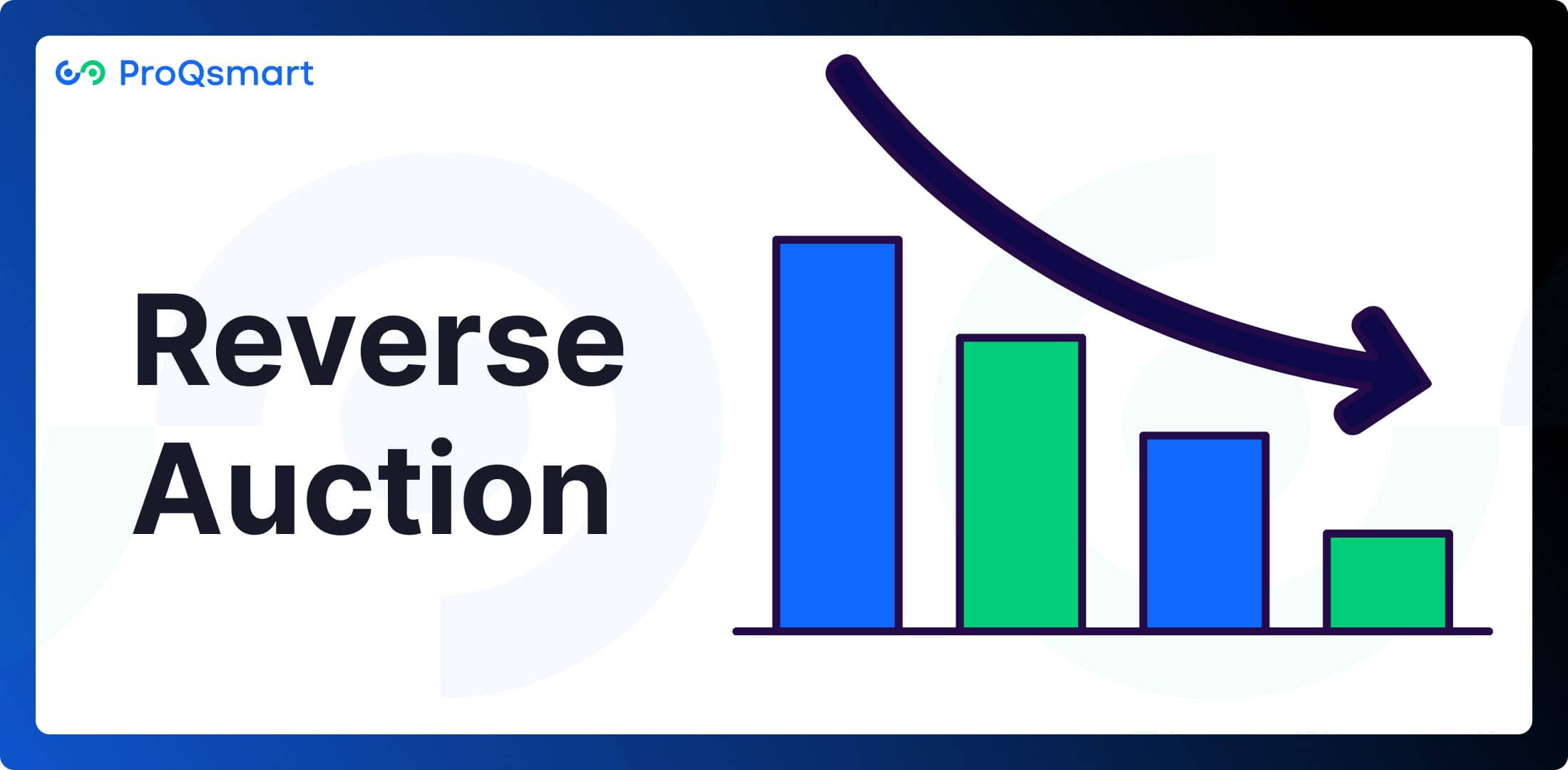
In a reverse auction procurement, many sellers compete fiercely to offer the lowest cost. This fast-paced auction environment is driven by one buyer seeking the best bid. Unlike traditional auctions where the buyer increases the price, the reverse auction process works in the opposite manner.
In this auction format, sellers vie to outbid each other by lowering their prices to secure the buyer’s contract. This competitive structure fosters a dynamic environment, pushing prices down and enabling purchasers to achieve significant value for their investment.
Procurement professionals can gain tremendous advantages through a thorough understanding of the reverse auction process. When executed effectively, these auctions serve as a potent strategy to manage costs and stimulate supplier competition, allowing organizations to realize substantial price reductions.
Benefits of Reverse Auctions in Procurement
Cost Savings Potential
Reverse auctions are unique among procurement and contracting tools for their capacity to produce truly dramatic cost savings. On average, entities are able to receive savings in between 18% – 40% in procurement costs. One federal agency recently announced that they’re saving an average of up to $100 million annually.
They did this by making reverse auctions a standard feature of their purchasing strategy. These savings are a result of competitive bidding, where suppliers are incentivized to bid competitively by driving down their costs to get the best price. This tactic leads to substantial short-term wins for businesses.
It further establishes fiscal health over the long term by using more cost-efficient procurement practices. In the high-stakes environment of reverse auctions, vendors are incentivized to put forth multiple bids. Each successive bid is usually at a lesser cost, ensuring purchasers win the most effective deal potential.

Increased Transparency in Procurement
Transparency, another defining feature of reverse auctions, provides an open and accountable bidding process. Buyers have complete visibility into the bids that have been submitted, allowing them to make the most informed decisions possible.
The transparency and structure of reverse auctions remove the ability for hidden fees and costs, providing a level playing field for all suppliers to compete. This transparency encourages mutual trust between project buyers and contractors, making it easier to establish relationships that last beyond a single auction.
Suppliers are held accountable for their bids, which further increases the integrity of the procurement process.
Enhanced Supplier Competition
Reverse auctions foster healthy competition between suppliers, resulting in a race-to-the-bottom where various vendors compete to provide the best offer for the same contract. This increased level of competition generally leads to lower prices and better quality of service.
For instance, smaller suppliers benefit from new chances to compete equitably, since price becomes the determination factor. Purchasers gain from a wider pool of competitors, resulting in better outcomes at lower cost and increased quality.
Streamlined Procurement Processes
With traditional procurement approaches, you have long-term negotiations and mountains of paperwork. Reverse auctions make it easier by automating essential stages of the auction using auction software.
This automation lessens administrative burdens, even more so during peak contracting seasons. With real-time bidding and immediate feedback, decision-making is further expedited, enabling businesses to onboard suppliers faster and more efficiently.
In reality, many public and private organizations have successfully used reverse auctions to purchase both direct and especially indirect goods and services. They love how easy these auctions are to use.
Features of Reverse Auction Software
Real-Time Bidding Capabilities
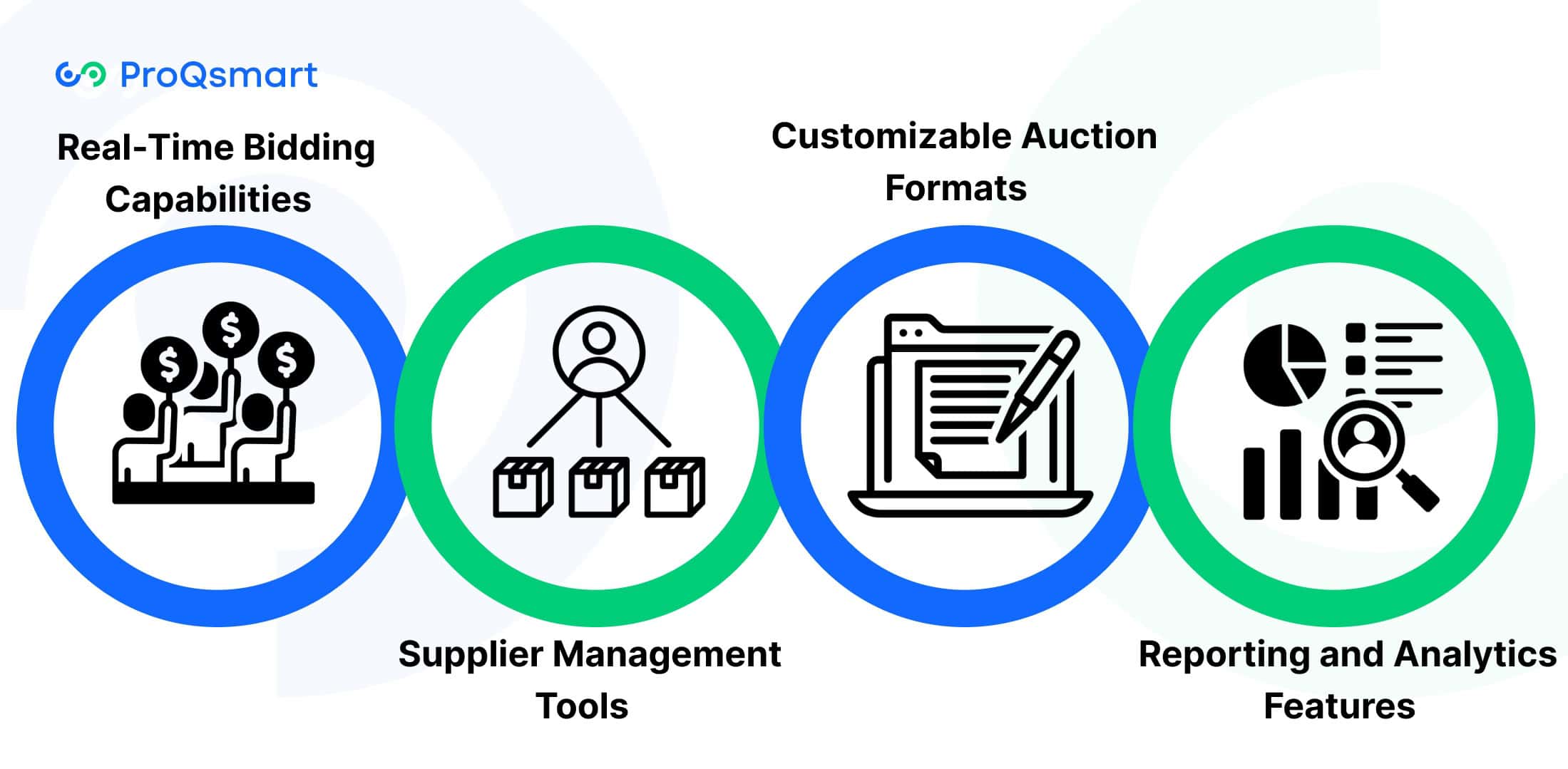
Real-time bidding is perhaps the most notable feature in reverse auction software, taking the competitive nature of the process to new heights. Buyers and sellers win with instant visibility into all bids, fostering a transparent competitive environment where pricing is adjusted in real-time.
To that end, suppliers can adjust their bids in real-time based on what their competitors are bidding, so they can stay competitive all auction long. This urgency enables procurers to review proposals in depth. Then they can compare all of the vendors’ prices on one centralized platform.
Real-time data informs buyers on the best decision to make – quickly, shortening procurement timelines. State-of-the-art technology provides smooth, fluid, and uninterrupted bidding experiences, which are key to building confidence and excitement.
Supplier Management Tools
Strong supplier management is key to successful reverse auctions. User-friendly tools within the software make onboarding a breeze, ensuring you have seamless communication and collaboration with suppliers.
For one thing, tools like ProQsmart improve supplier relationships by streamlining workflows and pre-qualification processes through automation. Accurate supplier data is what powers future auctions.
At the same time, performance tracking allows businesses to measure the reliability of suppliers and verify compliance with terms of the contract. The platform gives you access to more than 50,000 registered suppliers from around the world.
This widens your potential sourcing options, allowing you to save costs by as much as 15%. These tools help both improve day-to-day operations and even more importantly set the stage for lasting procurement success.
Customizable Auction Formats
The flexibility in auction formats helps reverse auction software meet a variety of procurement needs. Customization options allow buyers to set specific parameters, like auction duration or bid increments, to fit the needs of their specialized industry goals.
Custom formats provide a unique experience that is best suited for both buyers and sellers. For instance, English reverse auctions achieve competitive pricing through a marketplace dynamic while sealed-bid formats allow for confidential bidder submissions.
ProQsmart’s intelligent reverse auction software easily accommodates varied sourcing formats, making it the perfect solution for complex capital expenditure sourcing and other budget-driven procurement.
Reporting and Analytics Features
Reporting tools are an essential feature in determining auction performance. Metrics such as cost savings, bid activity, and supplier engagement deliver the most actionable insights.
Analytics further assist in optimizing procurement strategies by identifying aspects to focus on, so future auctions can be designed to produce even better results. By providing data-driven transparency, accountability is improved throughout every step of the auction process.
ProQsmart’s reporting tools help keep sourcing activities on-budget. This feature allows for accurate cost tracking all while maintaining compliance with DOT regulatory guidelines.
Detailed reports make it easy to understand the decisions made, fostering transparency and accountability.
Implementation of Reverse Auction Software
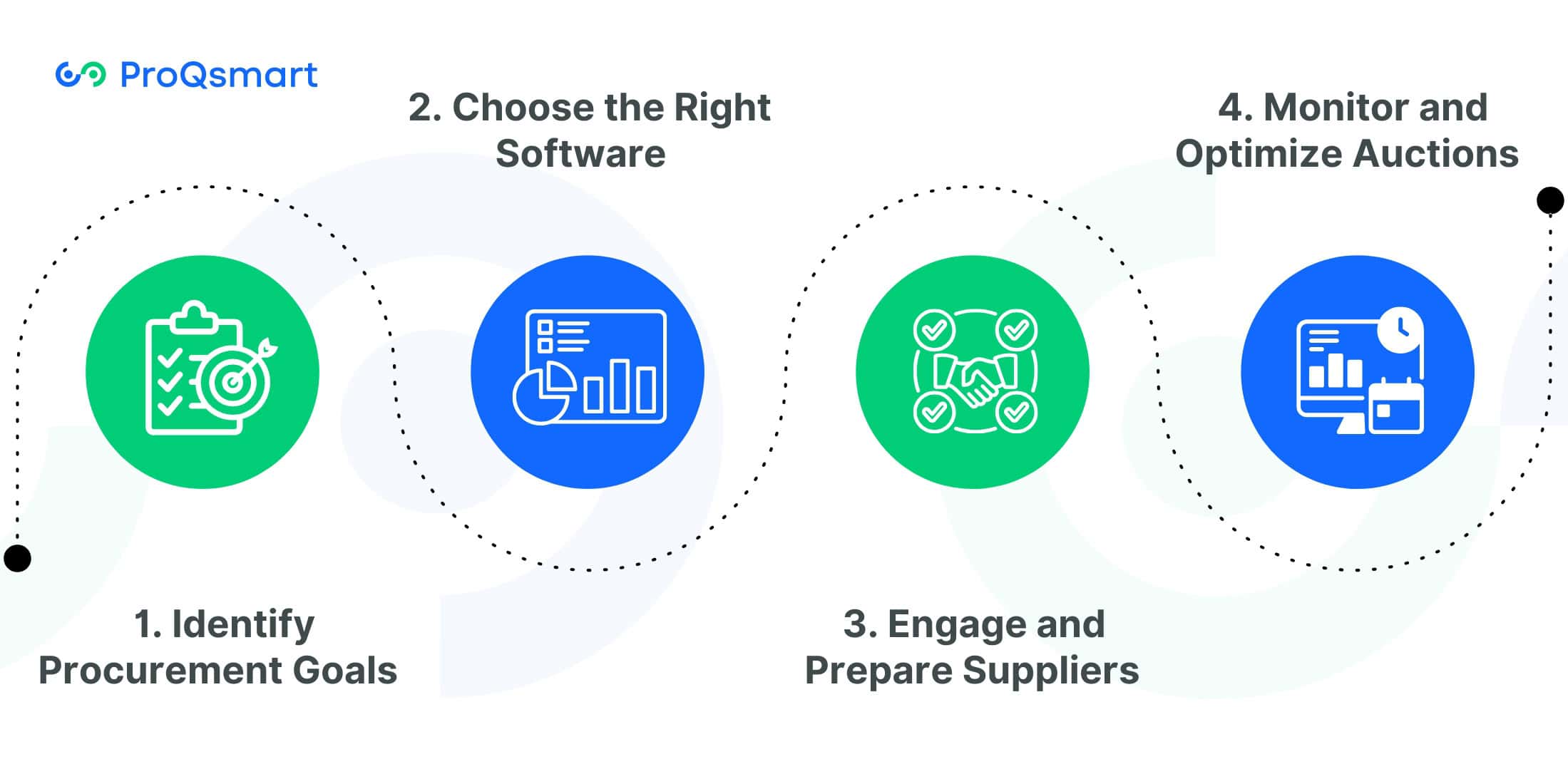
1. Identify Procurement Goals
Setting clear procurement goals is the bedrock of a successful reverse auction. Procurement teams need to begin with specific goals in mind. They can prioritize creating greater cost savings, more competition among suppliers, or practices that support sustainability objectives.
These goals serve as a foundation for how auctions should be structured and executed to best align with overall business strategy. For example, a company focusing on reducing costs may prioritize capturing competitive bids, while one emphasizing quality may emphasize supplier qualifications.
Regularly re-evaluating goals and making necessary adjustments keeps the auction process relevant and makes sure it continues to meet changing business needs.
2. Choose the Right Software
Considerations include the features needed, ease of use, and how well it integrates with your existing systems. Seek out platforms that are capable of handling multiple simultaneous bids, providing security against fraudulent activity and give businesses the tools to easily navigate auctions.
For instance, ProQsmart provides AI-driven tools that automate document creation, streamline collaboration in real-time, and track supplier performance. Scalability is just as crucial—software must be able to grow with the organization, which is particularly key for large, Fortune 100-type enterprises facing intricate procurement cycles.
Companies that focus on usability and vendor support are more likely to have a successful implementation and more positive outcomes.
3. Engage and Prepare Suppliers
Doing so as soon as possible encourages more and better suppliers to compete. Providing clear communications on auction rules, timelines, and objectives ensure suppliers can come to the table with their best offers.
When you provide onboarding resources and enough preparation time, it fosters trust and collaboration between your teams. Creating and maintaining robust supplier relationships helps ensure greater participation while setting clear expectations, resulting in a more transparent and competitive bidding atmosphere.
4. Monitor and Optimize Auctions
By actively monitoring live auctions, their teams could make adjustments in real time to improve outcomes. Once the auction is over, looking at performance data and collecting feedback from participants can help you see what needs to be improved.
Ongoing improvement, like tuning auction parameters or improving supplier engagement, leads to increased success. Companies taking advantage of reverse auction software usually complete each lot in under three minutes.
This strategy not only expedites procurement processes, but cuts costs by a sizable margin.
Overcoming Challenges in Reverse Auctions
Addressing Supplier Resistance
Suppliers are often wary of reverse auction participation, primarily due to misunderstandings about the reverse auction process or fears of losing profits. Many perceive these auctions as heavily focused on the lowest price, which can undermine considerations of quality or long-term value. Such misconceptions only exacerbate these concerns.
Procurement teams must proactively inform suppliers about the broader value that reverse auction procurement can offer. The advantages include increased transparency and opportunities to secure larger contracts. This can be achieved through informational workshops, user-friendly manuals, and open dialogues that clarify the reverse auction bidding process.
Trust is essential—demonstrating how competitive procurement through reverse auction activity aligns with fair play and mutual success can significantly alleviate resistance. For example, sharing success stories of suppliers who have secured substantial long-term contracts after participating in reverse auctions can effectively illustrate the potential benefits.
Ensuring Fair Competition
Establishing clear, enforceable rules is essential for promoting a competitive reverse auction procurement environment. Ethical procurement teams must create auction parameters that not only encourage fair competition but also minimize the risk of collusion and other detrimental tactics. Transparency plays a crucial role in ensuring the reverse auction process is effective.
By providing suppliers with clear, comprehensive guidelines and ensuring transparency throughout the reverse auction bidding process, we can cultivate a culture of trust. Consistent oversight of bidding behaviors and open lines of communication help to mitigate fairness issues.
For instance, sharing anonymized bid information after the auction concludes can enhance confidence and accountability among bidders, reinforcing the integrity of the procurement auctions.
Managing Technical Issues
Technical hiccups during a live auction can delay or even derail the process and sour relationships in the wake. Common challenges consist of system crashes, connectivity issues, or software bugs. To avoid this, teams must conduct thorough testing of auction platforms and guarantee the immediate availability of IT support.
Creating contingency plans, including developing backup systems or protocols, keeps any team ready. Training participants on the software in advance can help eliminate software-related errors and confusion.
Maintaining Long-Term Supplier Relationships
Competitive bidding should not be at the expense of supplier relationships. Post-auction follow-through, like debriefing sessions and rewarding performance, foster this loyalty. Communicating transparently about decisions and emphasizing quality alongside cost ensures suppliers feel valued.
Over time, this kind of approach can turn auctions from contentious competitions into collaborative partnership-building opportunities.

Best Practices for Reverse Auctions
Set Clear Auction Rules
Establishing clear auction rules is essential for a successful reverse auction procurement. By setting transparent parameters in advance, such as minimum bid increments and auction duration, participants can maintain expectations and ensure a fair reverse auction process. This clarity helps to prevent misunderstandings and fosters an effective reverse bidding process.
It’s crucial to communicate these rules to suppliers well ahead of time—ideally one week—allowing them to prepare adequately. Providing internal stakeholders with specific guidance keeps everyone aligned with the goals of the auction, enhancing the overall procurement scenario.
Regularly reviewing and updating these rules based on past auction activity can further improve the reverse auction procedures, making each event more efficient and competitive.
Ensure Open Communication with Suppliers
Providing open channels of communication will help develop the relationship of trust and collaboration with suppliers. Communicating clear timelines, auction terms, and expectations to suppliers increases transparency and trust in the process.
For example, conducting a Request for Information (RFI) in advance helps you gauge the market and set reasonable expectations for spending. During the auction itself, consistent communication and an open line for suppliers to receive real-time updates and questions can encourage better participation.
Supplier platforms such as ProQsmart make it easy to communicate with suppliers, check compliance, and track supplier performance. Creating transparency and feedback loops makes suppliers feel valued, making them more likely to participate and create robust competition.
Use Data to Inform Decisions
Data analytics is the most critical component to developing successful reverse auction strategies. Understanding historical bidding data and current market trends can assist in establishing realistic bid prices and determining which packages should be bid together.
Whether it’s utilizing cost-estimating software or ProQsmart’s AI-driven procurement features, data-backed decision-making is the way to go. Metrics like cost savings, supplier reliability, and bidding patterns deliver powerful insights, allowing for improved selection and future auctions.
Evaluate Auctions Post-Completion
Post-auction evaluations are an essential step in understanding how well auctions performed and where there are opportunities to improve. Cost savings achieved—typically 20% or more—and supplier compliance with terms are major factors.
Collecting participant feedback reveals blind spots and informs approaches to fill gaps and strengthen strategies. By documenting outcomes and lessons learned, a body of knowledge is established that can serve as a reference for further auction refinement.
ProQsmart’s supplier performance monitoring feature automates the evaluation process, making it easy to learn and adapt, so procurement strategies are always improving.
Conclusion
Reverse auctions deliver significant value to the procurement process by reducing costs, increasing transparency, and enhancing supplier competition. When combined with the right software, like ProQsmart, and a smart strategy, they promise substantial future returns. Success in reverse auctions hinges on clear communication, thorough training, and consistent follow-through. These technologies not only save taxpayer dollars but also build trust and foster long-term collaborative relationships with suppliers.
By adopting reverse auctions, procurement teams can modernize their workflows and stay competitive in a fast-paced market. With thoughtful planning and the right approach, reverse auctions can become a central component of your procurement strategy.
Ready to unlock the full potential of reverse auctions for smarter sourcing? Book a demo with ProQsmart today and discover how our advanced solutions can transform your procurement process!
FAQs
What is a reverse auction?
A reverse auction process is an auction where multiple sellers compete against each other to offer goods or services at the lowest price, allowing buyers to secure the best value. ProQsmart enhances this reverse auction procurement strategy with advanced reverse auction technology.
What are the benefits of reverse auctions?
Reverse auction procurement saves taxpayers at least 10 percent, promotes competition among businesses, and ensures transparency. ProQsmart’s solutions provide these benefits without compromising efficiency or user-friendliness.