In the complex landscape of modern business operations, efficiency and clarity in procurement processes are paramount. This is where the concept of “intake-to-procure” comes into play, revolutionizing the way organizations handle their procurement needs from start to finish. This comprehensive guide delves into what intake-to-procure means, its significant benefits, and why it’s becoming an essential strategy for businesses looking to optimize their procurement operations.
What is Intake-to-Procure?
Intake-to-procure is a systematic approach to managing and streamlining the procurement process from the initial request all the way through to purchasing and contract management. This method ensures that every procurement request is properly vetted, approved, and aligned with the organization’s strategic goals and compliance standards.
The Process of Intake-to-Procure
The intake-to-procure process typically involves several key stages, each designed to enhance the transparency and efficiency of procuring goods and services:
1. Request Intake
The process begins with the intake of procurement requests. This stage involves the collection of detailed information about the need for goods or services. Effective intake forms capture critical details such as specifications, quantity, budget, and the urgency level, which help in accurate processing and prioritization.
2. Request Evaluation
Each request is then evaluated to ensure it aligns with strategic business objectives and complies with internal procurement policies. This evaluation may involve multiple departments, including finance and compliance, to verify the necessity and budget alignment of the request.
3. Supplier Selection
Once approved, the procurement team moves on to the supplier selection phase. This involves identifying potential suppliers, issuing requests for proposal (RFPs), and evaluating bids based on predefined criteria such as price, quality, and delivery timelines.
4. Procurement Execution
After selecting the best supplier, the procurement team negotiates terms and finalizes contracts. The execution phase focuses on achieving the best value for the organization, ensuring favorable payment terms, and solidifying delivery schedules.
5. Order Management and Fulfillment
The final stage of the intake-to-procure process involves managing the order placement, tracking the fulfillment of goods or services, and handling any issues related to delivery or quality. Effective order management ensures that the products or services meet the specified requirements and are delivered on time.
Benefits of Intake-to-Procure

Streamlined Procurement Workflows
By standardizing the intake process, organizations can eliminate bottlenecks, reduce procurement cycle times, and improve the overall efficiency of their procurement operations.
Enhanced Visibility and Control
Intake-to-procure provides greater visibility into the procurement process, allowing for better tracking of expenditures, compliance with policies, and strategic allocation of resources.
Improved Supplier Relations
This process facilitates better communication with suppliers by clearly defining requirements from the outset, which helps in building stronger, more reliable supplier partnerships.
Cost Savings
Through systematic evaluation and competitive bidding, intake-to-procure helps organizations achieve significant cost savings by ensuring that they are purchasing the right goods and services at the best prices.
Risk Mitigation
By thoroughly vetting each procurement request for compliance and alignment with business goals, intake-to-procure reduces the risk of overspending and procuring non-essential items.
Best Practices for an Effective Intake-to-Procure Process
To ensure a smooth and efficient intake-to-procure process, organizations should adopt the following best practices:
1. Clearly Define Procurement Needs
First and foremost, begin by clearly defining the procurement needs of your organization. This includes specifying the type of goods or services required, the quantity, and any specific standards or specifications that must be met. A well-defined request helps eliminate confusion and sets clear expectations for all stakeholders involved.
2. Streamline the Intake Process
Next, establish a streamlined intake process that allows departments to submit their requests easily. Consider using standardized forms or digital platforms to capture all necessary information. By simplifying this step, you can speed up request submissions and ensure that all relevant details are collected upfront, thereby reducing delays later in the process.
3. Implement a Review and Approval Workflow
In addition, develop a structured review and approval workflow to assess incoming requests. This workflow should involve relevant stakeholders who can evaluate the necessity and feasibility of each request. Having a clear approval process allows your organization to prioritize requests based on urgency and budget constraints.
4. Maintain Open Communication
Furthermore, effective communication is key throughout the intake-to-procure process. Ensure that all stakeholders are informed about the status of their requests and any changes that may occur. Regular updates help manage expectations and foster collaboration among teams.
5. Leverage Technology
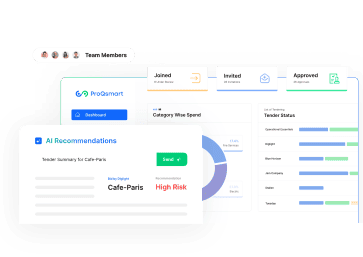
Moreover, utilizing procurement software can significantly enhance the intake-to-procure process. Tools like ProQsmart offer features that streamline request management, automate approvals, and provide real-time visibility into procurement activities. By integrating such technology, organizations can improve efficiency and reduce manual errors.
6. Monitor Supplier Performance
Once procurement is underway, closely monitor supplier performance. Establish metrics to evaluate suppliers based on criteria such as quality, delivery times, and responsiveness. Regular assessments can help identify any issues early on and facilitate better supplier relationships.
7. Conduct Regular Training
Additionally, ensure that team members involved in the procurement process are well-trained in best practices and tools used for intake-to-procure management. Regular training sessions keep staff updated on new procedures and technologies, enhancing overall efficiency.
8. Review and Optimize Processes
After completing procurement cycles, take time to review the entire intake-to-procure process. Gather feedback from stakeholders about what worked well and what could be improved. Use this information to make adjustments and optimize future procurement efforts.
9. Foster Collaboration Across Departments
Finally, encourage collaboration between departments involved in the procurement process. When teams work together effectively, they can share insights, address challenges more efficiently, and align their goals with organizational objectives.
Conclusion
Intake-to-procure is not just a procurement process; it’s a strategic framework that aligns purchasing decisions with business goals, optimizes spending, and enhances operational efficiencies. For businesses looking to gain a competitive edge through their procurement activities, adopting an intake-to-procure approach can be transformative, paving the way for a more streamlined, cost-effective, and strategically focused procurement function.
To further enhance your intake-to-procure processes and drive greater efficiency within your organization, consider integrating ProQsmart into your operations. ProQsmart offers advanced tools that facilitate every step of the procurement journey, from request management to supplier evaluation. By leveraging ProQsmart, you can ensure that your procurement activities are aligned with your strategic objectives.
Book a demo today to discover how ProQsmart can help you optimize your intake-to-procure process and achieve your business goals!